
FRIENDLY REMINDER PROUDLY PRESENTS
PHILIPP GLAS
ENSEMBLE
„a vibrant exhibition of genius" THE GUARDIAN
„standard-bearers for do-it-yourself tenacity and gumption since they first assembled“ THE NEW YORKER
„The Cluster Ensemble tackles some of Philip Glass's iconic early works, playing them more crisply and clearly than perhaps any other recording in history." PITCHFORK
ABOUT THE ARTIST
The Philip Glass Ensemble (PGE) comprises the principal performers of the music of Philip Glass. In 1968, Glass founded the PGE in New York City as a laboratory for his music. Its purpose was to develop a performance practice to meet the unprecedented technical and artistic demands of his compositions. In pioneering this approach, the PGE became a creative wellspring for Glass, and its members remain inimitable interpreters of his work. The artists of the PGE recognize their unique position in the history of music of the past half-century, and passing on that legacy is part of their practice. A deep dedication to educating the next generation of musicians is integral to the PGE’s work, both on tour and as the Ensemble-in-Residence at The Philip Glass Institute at The New School. The PGE debuted at the Whitney Museum of American Art in 1969, and in its early years performed primarily in the galleries, artist lofts, and museums of SoHo’s then-thriving artistic community. In the five decades since, the PGE has performed in world-renowned music festivals and concert halls across five continents, and has made records with Sony, Nonesuch, and Orange Mountain Music. Many of Philip Glass’s most celebrated works were expressly composed for the PGE: its core concert pieces Music in Twelve Parts, Music in Similar Motion, and Music with Changing Parts; the opera and musical theater projects Einstein on the Beach, Hydrogen Jukebox, 1000 Airplanes on the Roof, Monsters of Grace; and the full-length dance works Dance (Lucinda Childs) and A Descent Into the Maelström (Australian Dance Theater). The PGE is most widely acclaimed for its soundtracks to Godfrey Reggio's trilogy of wordless films: Koyaanisqatsi, Powaqqatsi, and Naqoyqatsi. It is also featured in Glass’s operas La Belle et la Bête and The Photographer. "The PGE represents the most authentic performance practice of my music in our time. I am looking forward to championing them as they carry it forward and bring its unique repertoire to new generations." – Philip Glass The Philip Glass Ensemble is the exclusive performer of its repertoire and is dedicated to bringing it to audiences worldwide. Philip Glass does not personally appear with the Ensemble unless otherwise noted on the tour calendar. By special arrangement with Philip Glass and Dunvagen Music Publishers, Inc.
Das Philip Glass Ensemble (PGE) vereint die maßgeblichen Interpret:innen der Musik von Philip Glass. Glass gründete das Ensemble 1968 in New York City als Labor für seine Musik. Ziel war es, eine Aufführungspraxis zu entwickeln, die den beispiellosen technischen und künstlerischen Anforderungen seiner Kompositionen gerecht wird. Mit dieser wegweisenden Arbeit wurde das PGE zu einer kreativen Quelle für Glass, und seine Mitglieder gelten bis heute als unvergleichliche Interpret:innen seines Werks. Die Künstler:innen des PGE sind sich ihrer einzigartigen Rolle in der Musikgeschichte der vergangenen fünfzig Jahre bewusst, und die Weitergabe dieses Erbes ist fester Bestandteil ihrer Arbeit. Eine tiefe Verpflichtung zur Ausbildung der nächsten Musiker:innengeneration ist integraler Bestandteil der Tätigkeit des Ensembles – sowohl auf Tournee als auch als Ensemble-in-Residence am Philip Glass Institute an The New School. Sein Debüt gab das PGE 1969 im Whitney Museum of American Art. In den frühen Jahren trat es vor allem in Galerien, Künstlerlofts und Museen der damals florierenden SoHo-Kunstszene auf. In den fünf Jahrzehnten seitdem gastierte das PGE bei weltweit renommierten Musikfestivals und in Konzerthäusern auf fünf Kontinenten und veröffentlichte Aufnahmen bei Sony, Nonesuch Records und Orange Mountain Music. Viele der gefeiertsten Werke von Philip Glass wurden eigens für das PGE komponiert: die zentralen Konzertstücke Music in Twelve Parts, Music in Similar Motion und Music with Changing Parts; die Opern- und Musiktheaterprojekte Einstein on the Beach, Hydrogen Jukebox, 1000 Airplanes on the Roof und Monsters of Grace; sowie die abendfüllenden Tanzwerke Dance (mit Lucinda Childs) und A Descent Into the Maelström (für das Australian Dance Theatre). Am bekanntesten ist das PGE für seine Filmmusiken zu der wortlosen Filmtrilogie von Godfrey Reggio: Koyaanisqatsi, Powaqqatsi und Naqoyqatsi. Zudem ist das Ensemble in Glass’ Opern La Belle et la Bête und The Photographer zu hören. „Das PGE repräsentiert die authentischste Aufführungspraxis meiner Musik in unserer Zeit. Ich freue mich darauf, sie zu unterstützen, während sie dieses Erbe weitertragen und sein einzigartiges Repertoire neuen Generationen nahebringen.“ — Philip Glass Das Philip Glass Ensemble ist der exklusive Interpret seines Repertoires und widmet sich dessen Aufführung vor Publikum weltweit. Philip Glass tritt persönlich nur dann mit dem Ensemble auf, wenn dies im Tourkalender ausdrücklich vermerkt ist.
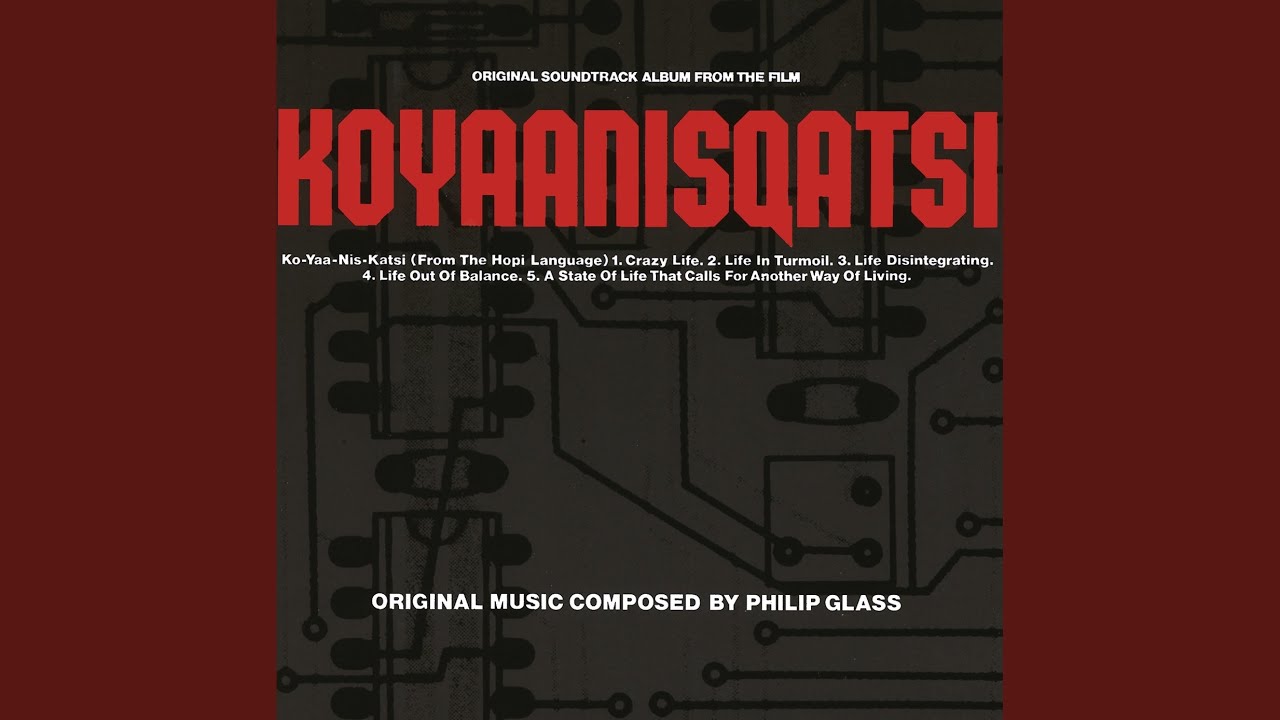
Prophecies
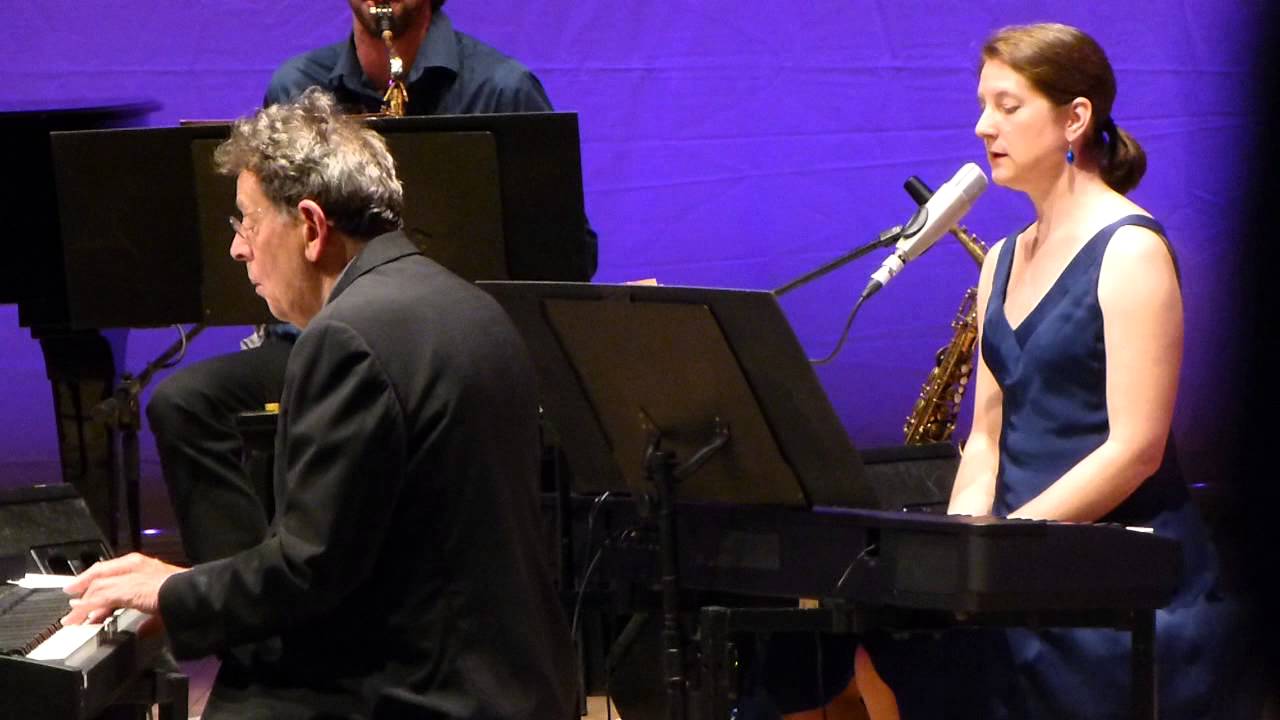
Philip Glass & The Philip Glass Ensemble - Floe (Glassworks) @ Vilnius

Philip Glass Ensemble Koyaanisqatsi Live: The Grid (excerpt)
